The Indigenous Heritage of the South
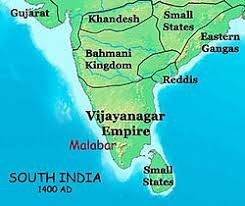
Spoken by more than 300 million people, the Dravidian language family forms the second-largest linguistic group in South Asia. The term "Dravidian" was formalized by British linguist Robert A. Caldwell in his seminal 1856 comparative grammar. Today, there are around 26 distinct Dravidian languages, with all but one (Brahui, spoken in Pakistan and Afghanistan) native to India.
The Four Pillars of Dravidian Literature
The antiquity of this family is globally recognized, largely due to Classical Tamil, which boasts the ancient Sangam literature dating back to the pre-Christian era. Alongside Tamil, three other major languages -- Malayalam, Kannada, and Telugu -- possess their own independent scripts and deep literary histories. Telugu is the most widely spoken of the group, while Malayalam is celebrated for its highly Sanskritized vocabulary and rich literary output.
Classical Tamil literature predates the Christian era, making it one of the world's oldest continuously living literary traditions -- a fact that fills every Tamil speaker with immense pride.
Beyond the Big Four: Central and Northern Groups
The Dravidian family is more than just the southern states. A widespread "Central Group" includes languages like Gondi, Kui, and Parji, spoken by various tribal communities across central India. The "Northern Group" includes Kurukh and Malto. Together, they represent some of the most deeply rooted and culturally rich linguistic heritages on the subcontinent, entirely distinct from the Indo-European family.

Comments
Be the first to share your thoughts!