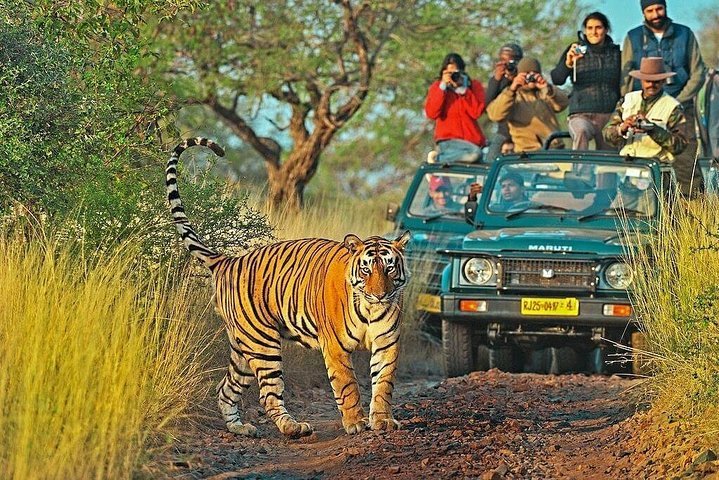
Have you ever dreamt of locking eyes with a majestic Bengal Tiger in its natural habitat? Nestled in the Sawai Madhopur district of Rajasthan, Ranthambore National Park is one of the most famous and highly photographed wildlife reserves in India. Once the private hunting grounds of the Maharajas of Jaipur, this sprawling park is now a spectacular sanctuary for the country's most iconic predators.
The Unique Landscape and Historical Backdrop
What sets Ranthambore apart from other national parks in India is its surreal blend of nature and history. The landscape is a captivating mix of dry-deciduous forests, rolling hills, open meadows, and sparkling rivulets. Dominating the skyline is the colossal 10th-century Ranthambore Fort, a UNESCO World Heritage Site that stands silently over the jungle -- the juxtaposition of crumbling ancient ruins and wild animals roaming freely makes a safari here feel like a scene from The Jungle Book.
Flora, Fauna, and the Royal Bengal Tiger
Ranthambore is globally renowned for its diurnal tigers -- the big cats here are known to be active and easily spotted during the day. The tigers of Ranthambore are practically celebrities, with lineages documented by wildlife experts for decades.
- Mammals: Indian leopard, sloth bears, striped hyenas, jackals, and Indian wolves. Herbivores like sambar deer, chital (spotted deer), nilgai (blue bull antelope), rhesus macaques, and langurs are abundant.
- Birdwatching: With over 300 species of birds, you can easily spot peafowl, crested serpent eagles, painted storks, and kingfishers near the park's three main lakes -- Padam Talao, Rajbagh Talao, and Malik Talao.
The tigers of Ranthambore have been photographed and named -- T-17, T-84, Arrow -- these are not just animals but legends of the jungle, each with their own story.
Best Time to Visit Ranthambore
- Winter (October to March): Cool and pleasant weather, making open-jeep safaris highly enjoyable. The lush post-monsoon greenery makes for beautiful photography.
- Summer (April to June): The absolute best time for tiger sightings. As smaller water sources dry up, animals congregate around the permanent lakes, making them much easier to spot.
- Monsoon (July to September): Core zones are closed during monsoon season for the animals' mating season. Only buffer zones remain open.
Practical Travel Tips
How to Reach: The nearest airport is in Jaipur, about 155 km away (3-4 hour drive). The nearest railway station is Sawai Madhopur, well-connected to Delhi and Mumbai.
Safari Bookings: Safaris happen twice daily -- early morning and late afternoon. Vehicles: the 6-seater Gypsy or the 20-seater Canter. Book your permits online well in advance -- sometimes months ahead, especially during peak season.
Where to Stay: Sawai Madhopur offers a range of accommodations, from ultra-luxurious tented camps to budget-friendly wildlife resorts.
Comments
Be the first to share your thoughts!